
Leading remote teams
There has been a great deal of discussion about the benefits of remote working, for individual wellbeing and for business. It is a new way of working for many.
There are numerous descriptions for the new ways of working. Working from home, working from anywhere, working remotely, distributed teams, flexible working. Although it has not been the case for every business, many have noticed increased productivity and creativity along with reduced costs. For many individuals, being able to design their own life has fantastic benefits: the long wanted pet, the gym class that finally fits, the school run, caring responsibilities, hobbies, being present for the family and friends who matter.
As I write this I have to laugh, sitting on the sofa with a large box of Maltesers, the fire on and the television murmuring in the background. Cosy, comfortable and having a productive morning. At one o'clock I am meeting a friend for a long dog walk, to compensate for the Maltesers, as she takes a break from her laptop too. Being able to work from anywhere helps in every area of life, mentally and physically.
Support and challenge
Along with the benefits come new challenges. How do you build the leadership climate people need when you are all in different places? One of the models often shared in leadership development is the support and challenge matrix. It explores how to reach the right level of both for each person in your team. That has always been difficult, because every individual is different, and now there are extra complications.
How do you achieve it? Start with listening. Really listen. It is so easy to make assumptions, and they can be right or badly wrong. What is working for them, and what would be an improvement? How can you offer support, and how can you offer challenge?
Support
- People may feel technically included, but do they feel a sense of belonging? What would achieve that for them?
- There may be regular calls and catch ups, but do they miss the one to one contact that happened casually in the office? How could you replace that?
- They have flexibility now, but may miss structure and routine. Isolation is practical, loneliness is an emotion, and a practical solution often eases both.
- They may thrive on recognition. The well done that is far less frequent when you are not face to face.
- They may be finding home difficult because of space or other people in the house. Can you help in any way?
Challenge
- How stretched are people feeling?
- Are they getting constructive feedback?
- Is the workload at the right level?
- Are the deadlines realistic?
- Are the tasks too difficult, or indeed too easy?
- What new or different work are they ready to take on?
Ask the questions and listen with skill and without judgement. That in itself will achieve so much.
These are only a few examples. So much has changed for people, so watch out for those assumptions, however well intentioned they are.
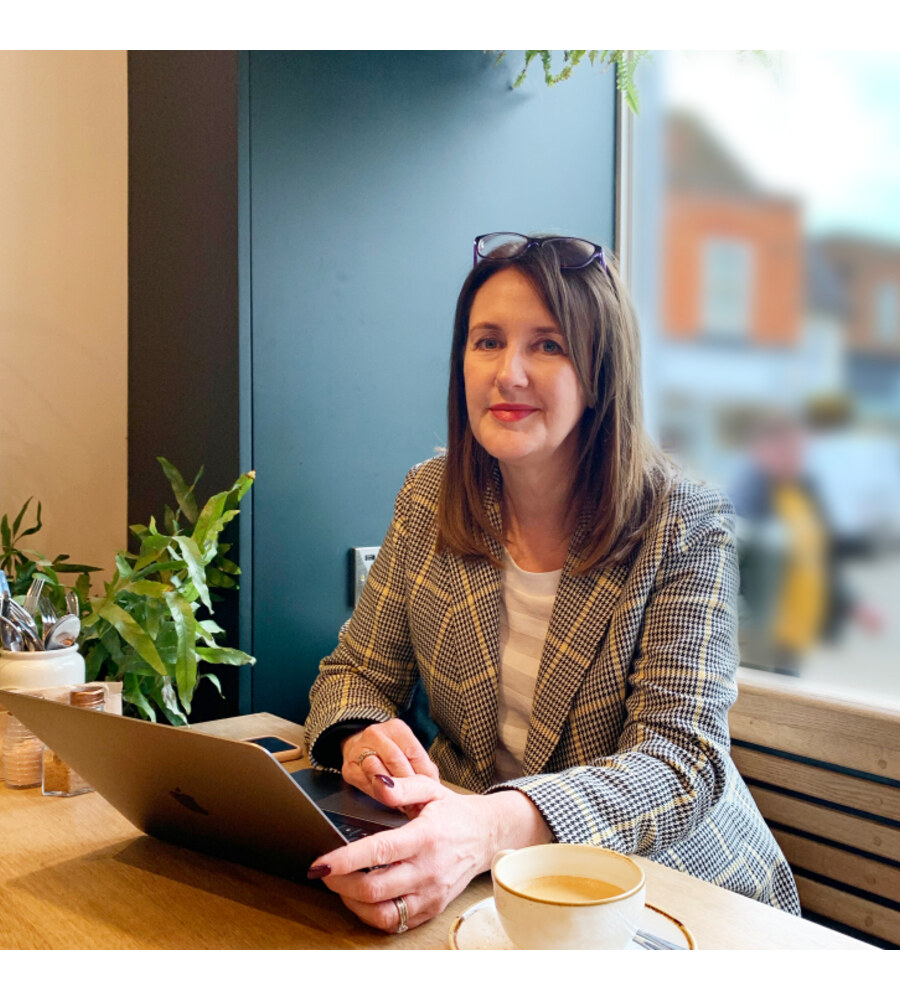
About the author
Helen Fraser
Helen has spent more than two decades coaching and training leaders, managers and teams across the United Kingdom. Her work is practical, confidential and entirely focused on the person in front of her, whether that is a new manager finding their feet or a senior leader navigating something difficult.
Sessions run face to face at your offices or an offsite venue, and online for teams spread across locations.